What Argentina Is Learning from Global Best Practices in Design-Build and Dispute Boards
Argentina’s infrastructure sector stands at a turning point. The country’s economic cycles, political shifts, and growing demand for public works have put new pressure on its ability to deliver projects on time, on budget, and to the standards society requires. While the debate often focuses on financing or politics, the real opportunity lies in how projects are structured, delivered, and managed.
Around the world, two innovations have reshaped infrastructure delivery: the Design-Build model and the use of Dispute Boards. Each brings unique opportunities and benefits, but their true strength lies in how they work together — and in ensuring that both are implemented effectively.
Lessons from Abroad
Design-Build: In markets such as the United States, Chile, and — to an even greater extent — Peru and Brazil, Design-Build has significantly reduced project delivery times by integrating design and construction under one contract. This model has proven to increase accountability and foster collaboration among stakeholders.
Dispute Boards: In Latin America, countries like Peru and Brazil have demonstrated how Dispute Boards help prevent disputes, reduce costly arbitration, and keep projects moving even amid uncertainty.
Argentina is learning from these experiences. But success requires more than simply importing models. It requires a process of tropicalización — adapting global best practices to local institutions, culture, and market realities, without distorting their value or purpose.
Why Tropicalización Matters
Every jurisdiction has its own conditions: regulatory frameworks, political environments, contracting practices, and cultural attitudes toward risk. For Argentina, this means:
Aligning Design-Build with local procurement laws to ensure transparency and fair competition. Embedding Dispute Boards early in contracts to anticipate and manage disagreements before they escalate. Investing in training not only for professionals such as lawyers, engineers, and project managers, but also for public institutions, so that those designing and managing contracts understand the value of these tools and how to use them effectively.
-
Aligning Design-Build with local procurement laws to ensure transparency and fair competition.
-
Embedding Dispute Boards early in contracts to anticipate and manage disagreements before they escalate.
-
Investing in training not only for professionals such as lawyers, engineers, and project managers, but also for public institutions, so that those designing and managing contracts understand the value of these tools and how to use them effectively.
When adapted with intelligence, Design-Build and Dispute Boards become instruments of progress — fostering trust, collaboration, and measurable results.
A Path Forward
If Argentina wants to build resilient, modern infrastructure, it must combine efficiency with stability. Design-Build provides the former; Dispute Boards safeguard the latter. Together, they can deliver projects that meet the country’s urgent needs while creating long-term trust among investors, contractors, and the public.
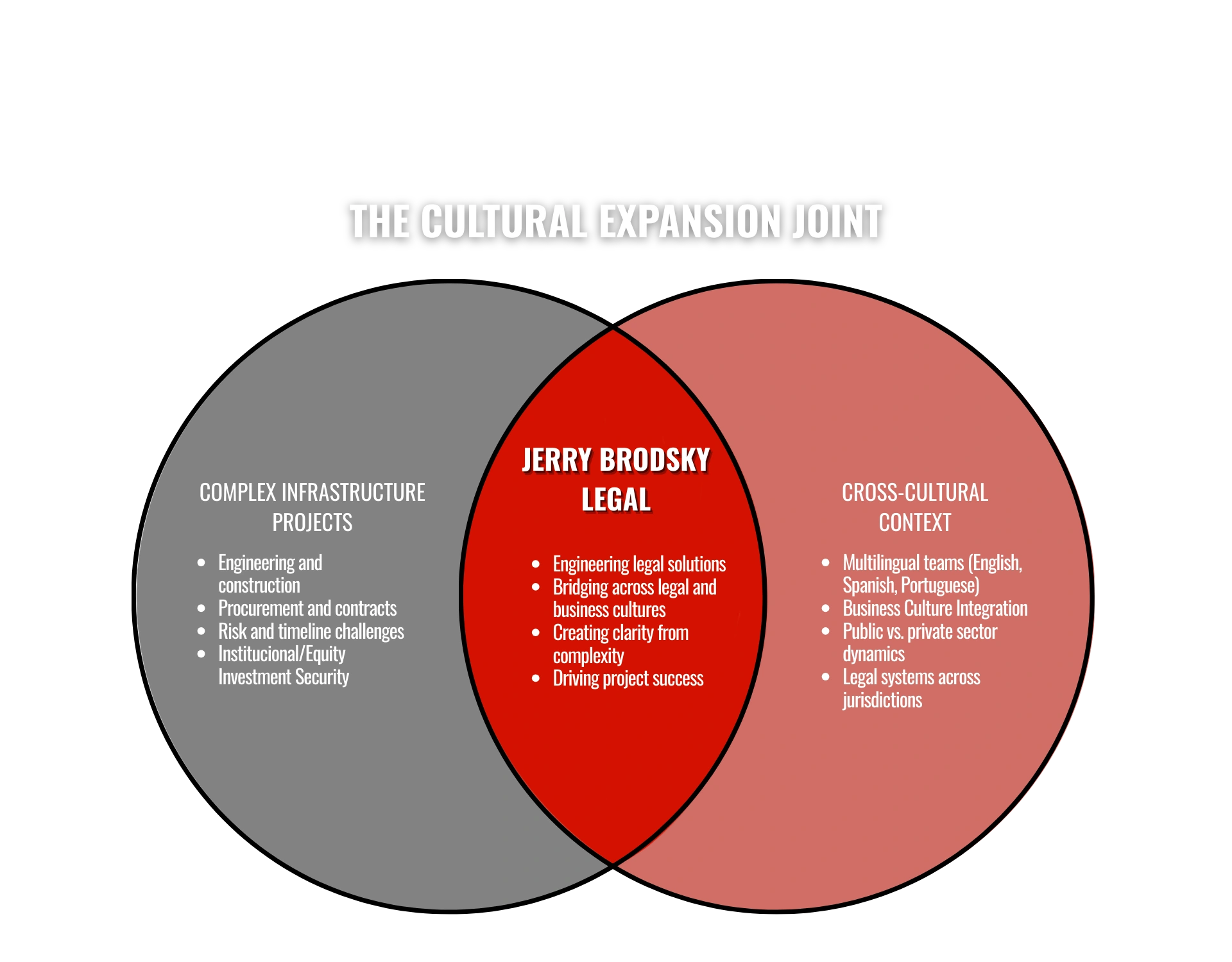
But the greatest opportunity is cultural. Shifting mindsets from confrontation to collaboration will be as vital as legal or contractual reform. That is the space where law, engineering, and culture intersect, and where real transformation begins.
Argentina does not need to reinvent the wheel. It needs to learn from what works globally, tropicalize it with care, and apply it with discipline. The world has already shown that Design-Build and Dispute Boards are powerful tools. The challenge — and the opportunity — is to make them uniquely Argentine.