
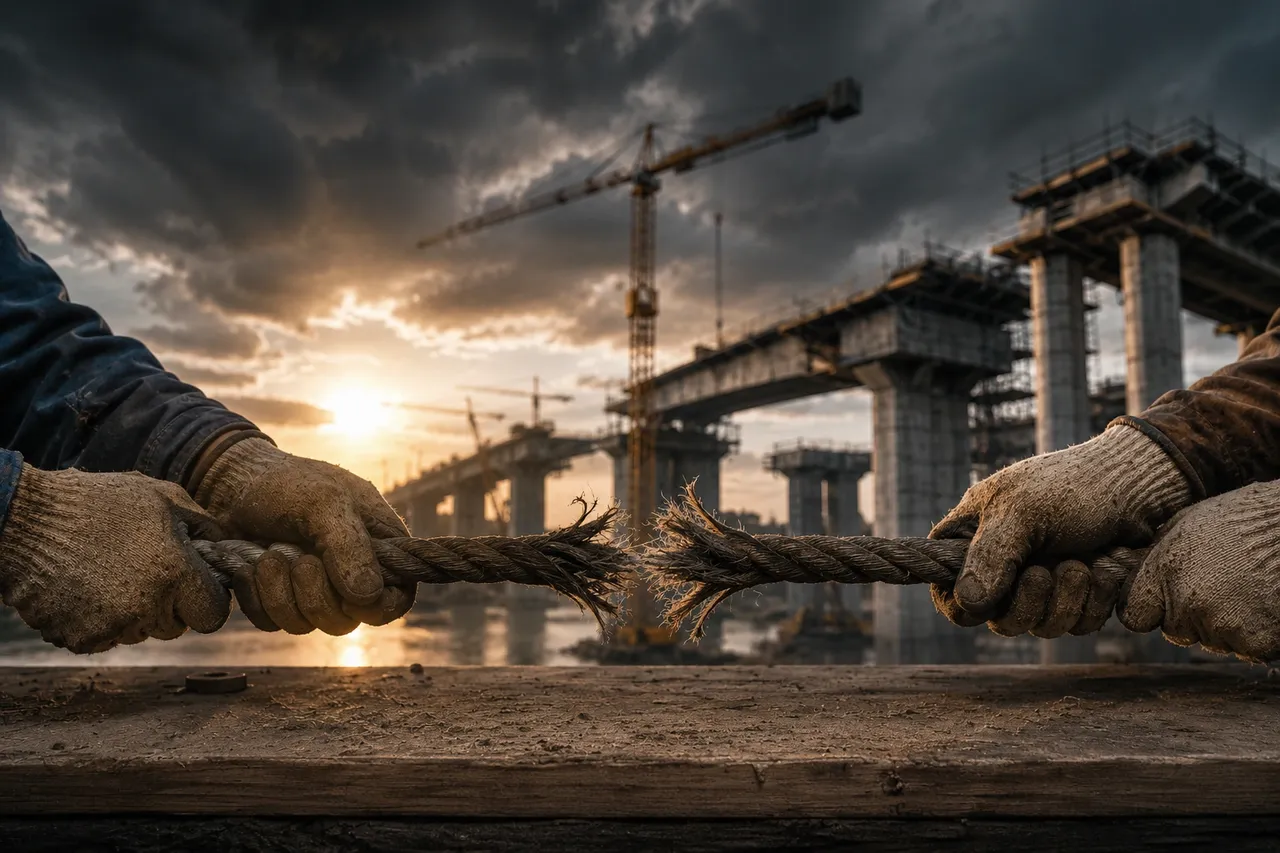
Joint ventures are one of the most common structures in large infrastructure and construction projects in the United States.
Everyone uses them. Few think about what happens when things go wrong.
A recent decision from the Federal Eleventh Circuit Court of Appeal is a reminder, in no uncertain terms.
The case came out of the I-4 Ultimate Project in Florida, a multi-billion dollar highway project delivered through a joint venture between three major contractors. Unfortunately, but not uncommonly, what started as a profitable deal quickly turned into massive losses due to a perfect storm of delays, inflation, labor shortages, and site conditions.
That is when the partnership structure and agreement start to matter.
One partner wanted out and pushed for a legal strategy to force termination of the contract with FDOT and stopped paying capital calls. The other two partners disagreed and kept funding the project to cover losses.
Litigation follows. The partner that stopped funding sued the managing partner, and lost. At trial and now on appeal.
The trial court found that the partner that stopped paying capital calls had breached its obligations to contribute to the partnership, and had to repay tens of millions to the other two partners, who covered its share.
The message is simple: partners cannot walk away from a joint venture just because the project becomes unprofitable.
Once you are in, you are in, unless the contract provides otherwise.
The case also makes another point.
Disagreement is not a breach.
The partner that stopped contributing argued that the managing party had a conflict of interest and should have taken a more aggressive position with FDOT. The court rejected that and found the decision to continue the project and reach an agreement with FDOT was reasonable, and that the more aggressive approach proposed by the losing partner was not.
Bad outcomes do not automatically mean bad decisions.
This is how most disputes in construction actually play out. There is, more often than not, no clear right answer, only different levels of risk.
And the documents control everything.
Capital calls, voting rights, funding obligations. Those are not formalities. They determine who carries the loss when things go wrong.
That is the real function of a joint venture.
It is not just about sharing upside. It is about allocating risk.
And when that risk materializes, there is very little flexibility left.
I was proud to be part of the winning legal team, at trial and on appeal.
Here is a link to the appellate decision. Recommended reading for anyone contemplating entering into a joint venture on a large-scale construction project.