
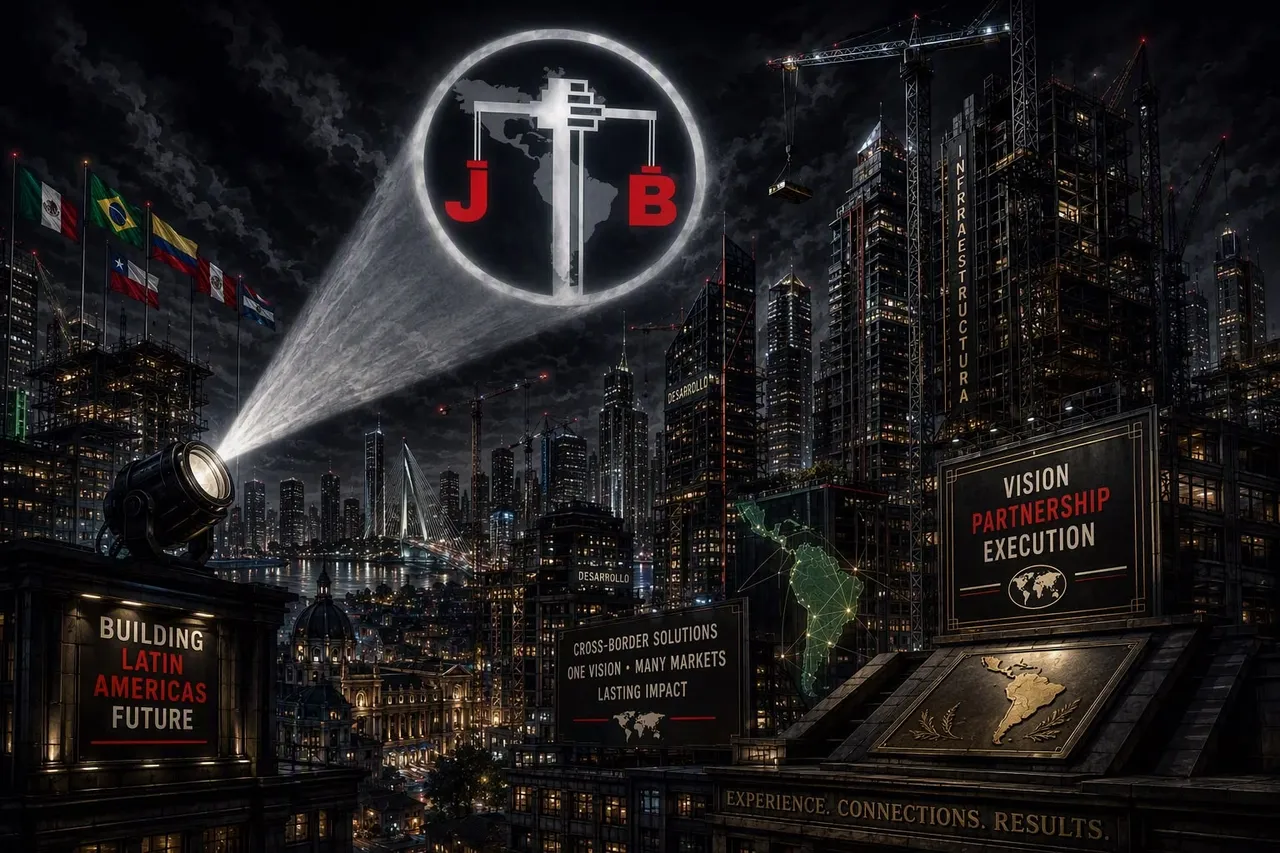
The Bat-Signal only lights up after something has already gone wrong. A crime is underway. A crisis has begun. Someone needs Batman now.
By the time Commissioner Gordon flips that switch, the damage has already started. Batman may save the day, but nobody would argue that’s the most efficient way to solve problems. Imagine how much smaller Gotham’s challenges would be if someone had made the call during the planning stages instead of waiting for the emergency.
Too often, that’s exactly how owners, developers, contractors, and lenders approach legal counsel on construction projects.
The phone call comes after a payment dispute arises, a subcontractor walks off the job, a change order becomes contentious, or a claim letter lands in someone’s inbox. At that point, I’m not preventing a problem. I’m helping manage one that’s already underway.
The real value of legal counsel isn’t measured by how well it puts out fires. It’s measured by how many fires never start in the first place.
And that comes down to one thing: timing.
Every Stage of a Project Has Legal Consequences
Every construction project follows the same general path: planning, contracting, execution, and completion. Many people assume legal counsel becomes important only when a dispute arises. In reality, every stage presents opportunities where the right legal guidance can change the outcome entirely.
The pattern is hard to miss. Waiting almost always makes problems more expensive, more complicated, and more difficult to resolve.
The Best Legal Work Happens Before There’s a Crisis
Nobody thinks less of Batman for responding after the Bat-Signal appears. That’s his job.
But legal counsel shouldn’t operate like the Bat-Signal.
The best legal guidance becomes part of the project long before anyone thinks there’s a legal problem. It belongs in planning meetings, during contract negotiations, and throughout project execution through periodic check-ins and thoughtful risk management.
Sometimes the difference is as simple as identifying an ambiguous payment provision before the contract is signed, documenting a change in scope before it becomes tomorrow’s claim, or addressing a scheduling issue before it evolves into a delay dispute.
That proactive mindset is what separates projects that stay on track from those that end up in unnecessary conflict.
It’s not about expecting the worst.
It’s about recognizing that every project carries risk, and the earlier those risks are identified and managed, the easier and less expensive they are to resolve.
The Better Question to Ask
The question isn’t whether you need legal counsel.
The question is when.
If the answer is “when something goes wrong,” the signal is already in the sky, and the project is already paying the price.
A smarter approach is to involve counsel during planning, before contracts are signed, throughout project execution, and immediately after completion if issues begin to surface. Not because disputes are inevitable, but because prevention is almost always less expensive than cleanup.
Gotham waits for the Bat-Signal because it has no choice.
Construction projects do.
The best time to involve counsel is before anyone reaches for the switch.