
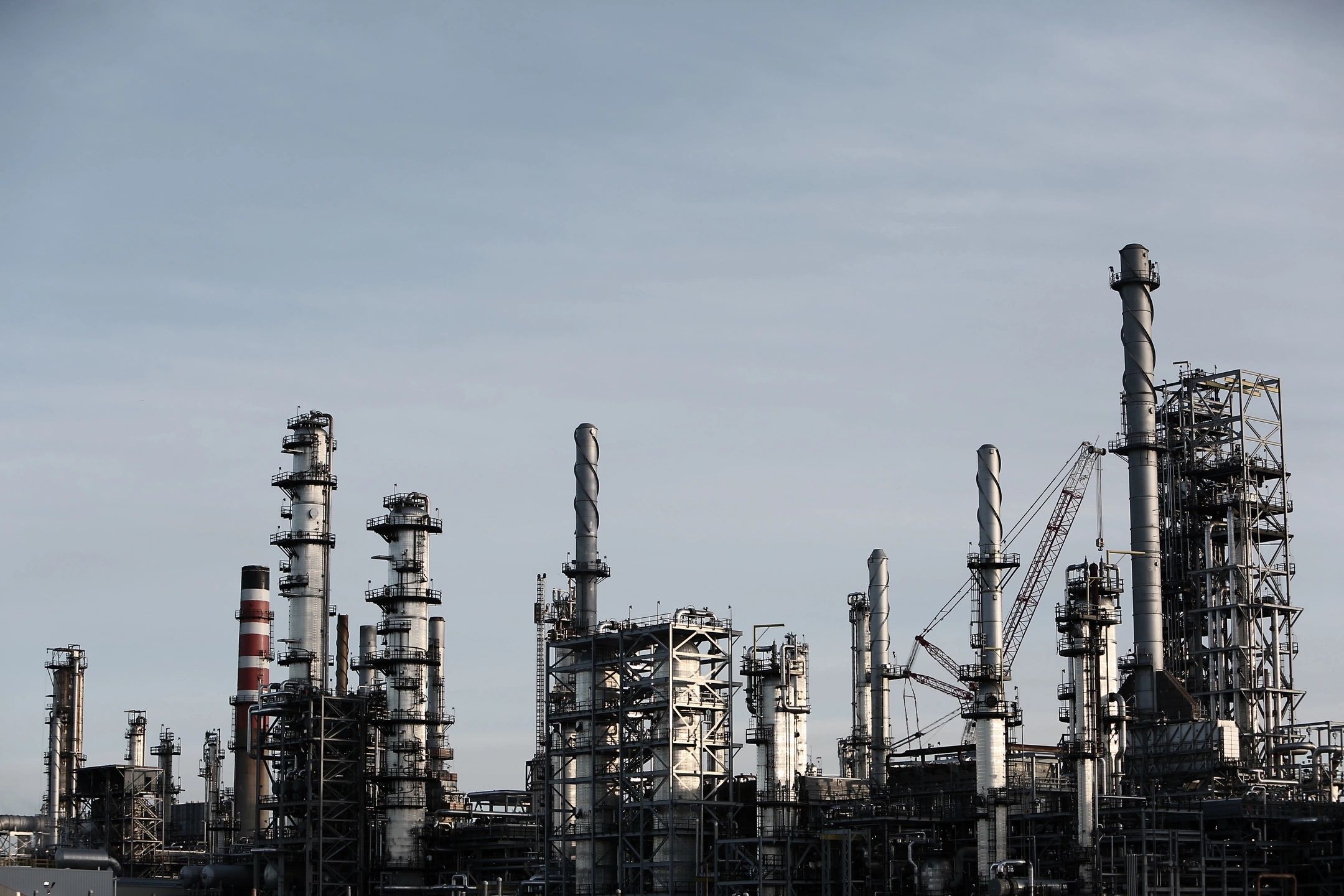
For years, Venezuela has been discussed almost exclusively in political terms. Sanctions, elections, institutional breakdowns, and humanitarian crises have dominated the narrative. Yet, beneath the headlines, another conversation is quietly resurfacing, one that matters deeply to infrastructure, energy, and construction markets across Latin America.
The question is no longer whether Venezuela has potential. It always has. The real question is what happens to the region when that potential begins to reenter the investment equation.
Infrastructure Does Not Compete on Headlines, It Competes on Systems
Infrastructure capital is pragmatic. It does not chase optimism or retreat at the first sign of volatility. It looks for systems that can absorb risk, manage uncertainty, and enforce commitments over time.
When markets reopen, even partially, capital does not arrive evenly. It reallocates. That reallocation has consequences beyond national borders.
Venezuela’s energy, oil, gas, and logistics infrastructure represents a scale that few markets in the region can match. If investment begins to return, even selectively, it will not only affect Venezuela. It will affect where capital goes next, which projects move forward, and which struggle to compete for attention.
This is not about politics. It is about relative risk and return.
The Regional Ripple Effect
Latin America is not a single market. It is a portfolio.
Investors allocate capital across countries based on comparative frameworks: regulatory predictability, contractual enforceability, dispute resolution mechanisms, and institutional discipline.
If Venezuela begins to offer projects with higher potential returns, backed by improving frameworks, capital will inevitably reassess opportunities elsewhere. Projects in other countries that rely on weak structures, unclear contracts, or fragile governance will feel that pressure first.
This does not mean Venezuela “absorbs” all investment. It means competition intensifies.
Countries that have spent years strengthening procurement, institutional capacity, and dispute prevention mechanisms will remain attractive. Those that have not may find themselves displaced, not by headlines, but by better-prepared systems.
Energy and Infrastructure Are the First Test
Nowhere is this more evident than in energy and extractive infrastructure.
Oil, gas, storage, ports, pipelines, and power generation projects operate on long timelines and large capital commitments. They require certainty that survives political cycles.
If Venezuela’s reentry accelerates in these sectors, it will test whether regional frameworks are truly competitive. Not ideologically. Structurally.
The winners will not be those with the loudest narratives, but those with contracts that work, institutions that function, and mechanisms that prevent disputes from freezing projects midstream.
The Misunderstood Risk
Uncertainty does not kill projects. Poor structuring does.
Markets that continue to attract infrastructure investment in volatile environments do so because they offer predictability in process, not because they are free of conflict.
Clear risk allocation, credible dispute prevention tools, disciplined project governance, and enforceable legal frameworks matter more than short-term political calm.
This is where many discussions about Venezuela miss the point. The issue is not whether instability exists. It is whether systems exist to manage it.
What This Means for the Region
For Latin American governments, the message is clear. Infrastructure competitiveness is no longer domestic. It is regional.
Strengthening contracts, institutions, and dispute resolution mechanisms is not just good policy. It is a defensive strategy.
For investors, preparation is essential. Understanding how legal and regulatory systems operate in practice, not just on paper, will determine whether opportunity becomes value or liability.
For companies operating across borders, especially those expanding northbound or repositioning regionally, this moment reinforces a long-standing lesson. Success comes not from chasing markets, but from understanding systems.
A Shifting Landscape, A Familiar Lesson
Venezuela’s reentry, partial or otherwise, will not redefine Latin America overnight. But it will rebalance attention, capital, and expectations.
The region has seen this before. Markets open, capital reallocates, and the projects that endure are those built on structure rather than speculation.
The next phase of infrastructure investment in Latin America will not be decided by optimism or fear. It will be decided by preparation.
And in that environment, the most valuable asset is not capital. It is the ability to deploy it where systems are ready to receive it.